Dream your Dream. Make it Happen.

A 12-week studio experience for young people ready to explore what matters to them and turn ideas into something real.

Meet people.

Discover possibilities.

Build empathy and practical skills to make something that matters to others.

You don’t need to have your future figured out. Bring your curiosity and a willingness to begin.

Launching in 2027.

This is Not School as Usual.

Here, learning starts with people, possibilities, and real challenges.

You’ll step into unfamiliar places, ask questions, work with your hands, and explore ideas alongside people who bring different perspectives. You’ll have guidance, encouragement, and room to get things wrong, rethink, and try again.

At the heart of it all is human-centered design: understanding what people need, both practically and emotionally. Listening closely helps us question our assumptions, recognize our biases, and develop empathy that can grow into compassion.

That understanding gives your work purpose. And doing the work helps you discover what you care about, what you’re capable of, and where you might go next.

Step 1: Dream.

What interests you? What matters to others? Where could those meet?

Explore life beyond your usual surroundings. Through field trips, adventures, service, and community engagement, you’ll encounter different ways of living and working.

You’ll learn to interview people, observe everyday experiences, and look beyond first impressions. Understanding people’s hopes, frustrations, and needs will help you uncover opportunities worth pursuing.

Then you’ll develop, compare, and present those opportunities, using what you’ve learned to choose a direction.

Explore possibilities

Field trips · Adventures · Service · Community engagement

Understand people

Interviews · Observational research · Functional and emotional needs

Find a direction

Opportunity development, selection, and pitches · Creativity and innovation · Human-centered design

Ask three useful questions

Do people want it? Can we make it work? Can it sustain itself? These are the foundations of desirability, feasibility, and viability.

Step 2: Build.

Give your ideas a form that people can experience.

Develop concepts for a product, business, service, or experience that responds to the needs you’ve uncovered.

Sketch it. Model it. Make a prototype. Put it in someone’s hands and learn from their response. Does it work well? How does it make them feel? What needs to change?

You’ll explore different possibilities before choosing a concept, then refine it through testing and feedback. Along the way, you’ll learn to explain your decisions and help others understand the people behind your idea.

Design experiences

Functional and emotional value · Web design · User interfaces and experiences · Service design

Make ideas tangible

Sketching · Model making · Prototyping · 3D printing · Laser cutting

Use AI thoughtfully

Explore tools such as ChatGPT, Claude, Midjourney, and Vizcom, learning where they help and where direct experience and human judgment are essential.

Choose and improve

Customer feedback · Concept selection · Iteration · Pitches and presentations

Step 3: Make it happen.

Take your idea into the real world.

Bring design, engineering, and business together to turn a promising concept into something you can deliver.

You’ll work through practical questions: What will it cost? How will it be made? How will people discover it? Why would they choose it?

Keep listening as you make these decisions. A successful launch depends on staying connected to the people you’re creating for.

Build the business

Business models · Cash flow projections · Marketing · Branding · Intellectual property

Prepare to produce

Manufacturing · Design for manufacturability · Costing · Bills of materials

Share it with the world

Present your final project and the learning behind it. For the Sales Gala, you’ll manufacture a run of 20 units and offer them for sale at a festive event open to the public. Meet your customers, tell your story, and discover what happens when someone decides whether to buy something you’ve made.

Made by Matt & Lily

Meet the People Behind Real World Studio. Real World Studio brings together deep experience in design, education, innovation, and building learning experiences around the world.

Matt Kressy

Co-Founder, Chief Academic & Design Architect
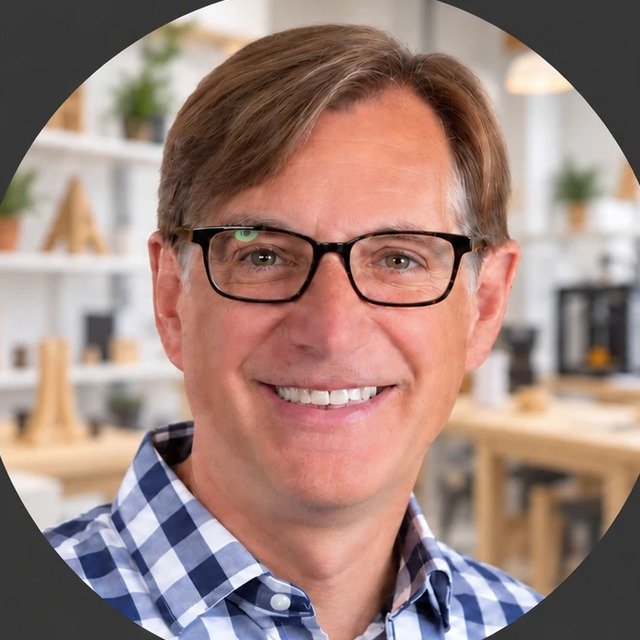
Matt Kressy

Matt is a designer, entrepreneur, and educator, and the founding director of MIT’s Integrated Design & Management program. His teaching brings design, engineering, and business together around a simple principle: meaningful innovation begins with understanding people. At Real World Studio, he brings that philosophy into hands-on projects that help students develop empathy, judgment, and the confidence to act.
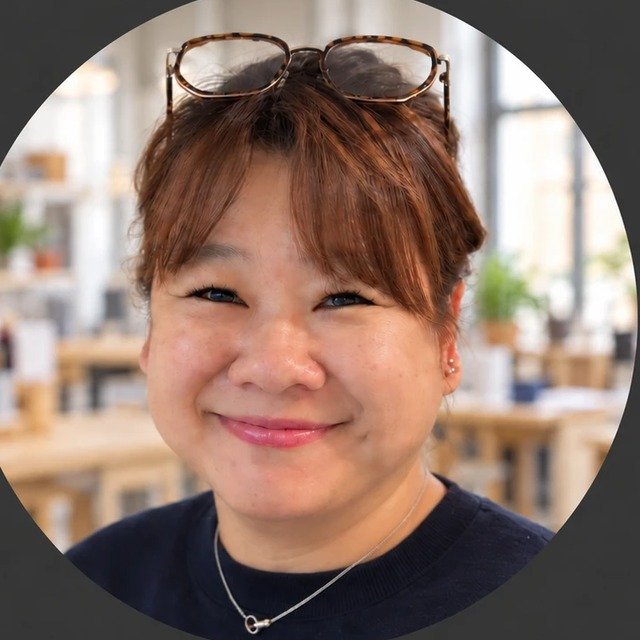
Lily Fu

Co-Founder, Chief Operating Officer

Lily Fu

Lily is an educator and global program leader who creates learning experiences that connect people across cultures. Her experience spans Harvard and MIT learning communities and program design across Asia, the Middle East, and the Americas. She is committed to helping young people explore unfamiliar places, build relationships, and create new possibilities. At Real World Studio, she builds the supportive environment that makes that exploration possible.

Our Mission

Empowering people to find their purpose through real work for real people, inspiring them with skills and mindsets to thrive, in order to live their best lives.

A clearer direction

A better sense of what interests you, what matters to you, and what you want to explore next.

A deeper understanding of people

Practice listening, questioning assumptions, and responding to functional and emotional needs.

Skills you can use

Experience researching, designing, prototyping, presenting, and bringing an idea to market.

Work you can show

A project you’ve developed, tested, and shared, with a story behind your decisions.

People to learn alongside

Connections with peers, mentors, and community members who bring different experiences and perspectives.

Confidence to begin

The experience of moving through uncertainty, learning from setbacks, and taking the next step.

Stay in the know.

Leave your details and we’ll reach out as we open applications for the inaugural cohort — Winter 2027.

The Details.

Keep me posted!
Inaugural Cohort
Winter 2027
Length
12 Weeks
Tuition
$10,000
Ages
17 – 22
Format
In-person
Studio-based
Cohort
20